Most brand teams treat Qatar as an add-on to a Saudi or UAE plan: the same roster, a smaller budget, and a week added to the shoot. It reads like a sensible saving and it usually produces a report nobody can explain. The audience is almost entirely online, the country is small enough that one creator can reach a meaningful share of it, and nine in ten residents are not Qatari, so the same list can look like national reach while landing inside a single expatriate community.
This is the working version of what I plan when a Qatar campaign lands: how the country behaves as one media market rather than two, why the national audience and the resident majority need different creators, where the platforms actually sit, what the licence question looks like under the Ministry of Culture, and how to brief something small enough to measure.
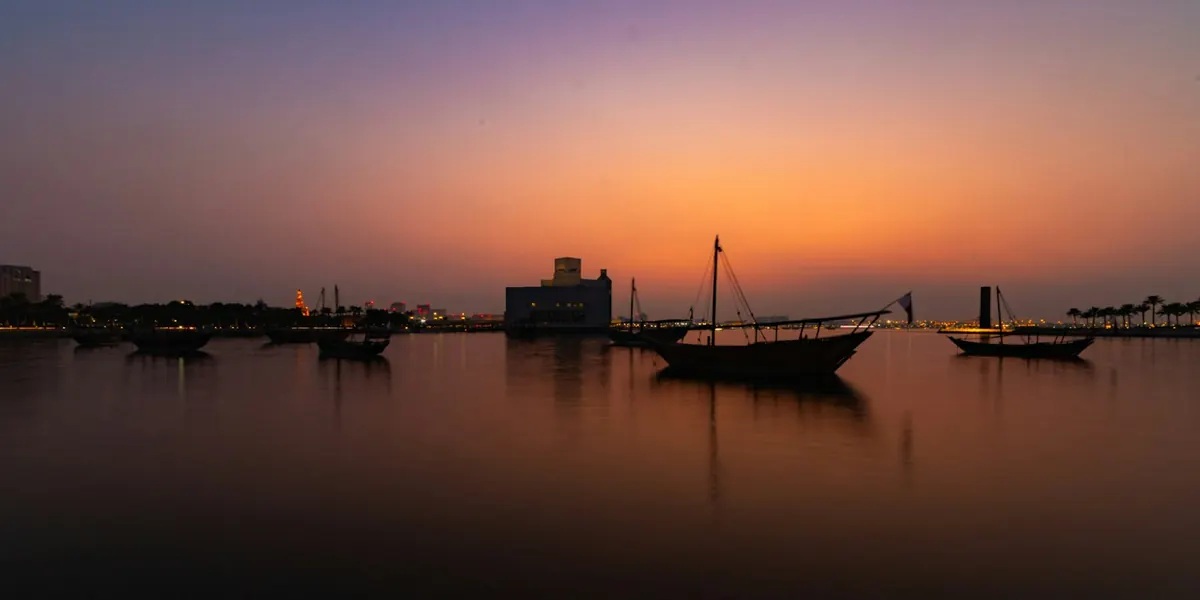
One city, one media market
Qatar had 3.13 million residents in October 2025, 99.4 per cent of them living in urban areas, with 3.10 million people online, a penetration rate of 99.0 per cent. The same dataset counts 4.75 million cellular connections, 152 per cent of the population, which tells you how little of this market is offline or single device. The figures come from DataReportal's Digital 2026 Qatar report, published in November 2025 on October 2025 data.
That is the opposite of the UAE problem. In the UAE the mistake is planning one city for a whole country; here the country is one metropolitan market and there is no second city to add later. What changes a Qatar plan is not geography but depth: how often the same residents see you, and whether the faces they see are ones they take seriously.
For a European brand entering the Gulf, Qatar usually arrives as the second or third stop after the UAE and Saudi Arabia. How I sequence those markets is set out in my Europe to GCC influencer corridor, and the short version is that Qatar is a depth market rather than a volume market: fewer creators, more repetition, and a much clearer read on whether the message landed.
Nine in ten residents are not Qatari
Qatari nationals make up roughly 10.5 per cent of residents, around 330 thousand people, in the 2026 estimates compiled by Global Media Insight. Indians form the largest single group at about 21.8 per cent, Bangladeshis and Nepalis about 12.5 per cent each, Egyptians about 9.35 per cent and Filipinos about 7.35 per cent. Those proportions shape a roster more than any follower count does.
A campaign aimed at Qatari households is aimed at an audience smaller than the population of a mid-sized European city, and it behaves in a specific way: Arabic first, family led, and shaped by who a family already knows. A campaign aimed at residents is a language campaign, run in Hindi, Urdu, Malayalam, Tagalog or Egyptian Arabic depending on the community, and the creators who move those audiences are usually not the ones a Qatari brief would name.
Most disappointing Qatar reports come from a brief that named neither audience. One roster goes out, the platform optimises for cheap delivery, and the delivery lands wherever attention was least contested. Nobody lied in that campaign, and nothing in the report tells you what went wrong.
Where the audience actually is
Platform ad reach in late 2025, from the same dataset: Facebook 2.40 million, YouTube 2.31 million, Instagram 1.70 million, Snapchat 1.24 million and X 650 thousand. TikTok reports 2.95 million adults, which is 114 per cent of the adult population, so treat that headline as an inventory number rather than a reach number. Duplicate accounts and visitors are counted in it.
The practical read for a creator campaign: Instagram is where retail, fashion, food and travel work; Snapchat reaches 42 per cent of adults and is the easiest place to find a national, younger audience; YouTube carries the long-form review and the family channel; X is small but carries news and public argument. TikTok is worth planning for and is the weakest of the four as a Qatar-only buy, because a Gulf TikTok audience is rarely confined to one country.
The gender split matters as much as the platform. Social media identities in Qatar are 68.1 per cent male and 31.9 per cent female, close to the resident population itself. If your buyer is a woman, the reachable audience is roughly a third of every figure above, which makes it a roster and platform question before it becomes a budget question.
The licence question under the Ministry of Culture
Qatar has no influencer-specific licence today, and brands are often told both that there is one and that there is none. The accurate version is narrower. The Ministry of Culture licenses advertising and public relations activity for one year, and its current service manual lists QAR 5,000 to issue and QAR 5,000 to renew, down from the QAR 25,000 issue and QAR 10,000 renewal reported when the fee was first published. Individual applicants must be Qatari; companies and non-Qatari applicants apply through a licensed entity.
In practice a Qatari creator who works with brands either holds that licence or works through a company that does, and a foreign brand's local partner is usually the entity on the paperwork. Media City Qatar, established under Law No. 13 of 2019, licenses media companies and is the route most international partners take.
There is a live proposal on top of this. In December 2024 the Shura Council referred a framework to the Cabinet that would license social media influencers specifically, to align content with national values and to control what the proposal calls uncontrolled advertisements. As of October 2026 it had not been enacted. If it passes, the roster question becomes a permit question and the first thing to ask a creator changes.
None of that replaces disclosure. An ad label on paid content is now a standard contract clause for brand legal teams across the Gulf, and the wider licensing picture in the region, including Saudi Arabia's Mawthooq programme, is in my guide to influencer marketing laws across the GCC.
What a roster in Doha actually looks like
The number of creators who genuinely hold a Qatari national audience is small. Not small by Gulf standards, small in absolute terms: an audience of roughly 330 thousand people cannot support the creator economy that a market ten times the size would, and the names that carry it are known to everyone working here. Expect three agencies to pitch you the same shortlist, because it is the shortlist.
Three consequences follow, and they are the ones I plan around.
- Differentiation has to come from the brief. If every agency can offer the same twelve names, the remaining variables are the idea, the Arabic and how the creator is used.
- Micro creators do more work here than follower counts suggest. When 200 thousand views is six per cent of the country, a creator with 40 thousand engaged followers and real standing in one community can move a measurable share of the market. Reach is cheap in a country this size; attention is not.
- You will probably need two rosters. Qatari creators for the national audience, resident-community creators for everyone else, and often a Khaleeji creator from Saudi Arabia or Kuwait to widen a campaign that has to travel beyond Doha.
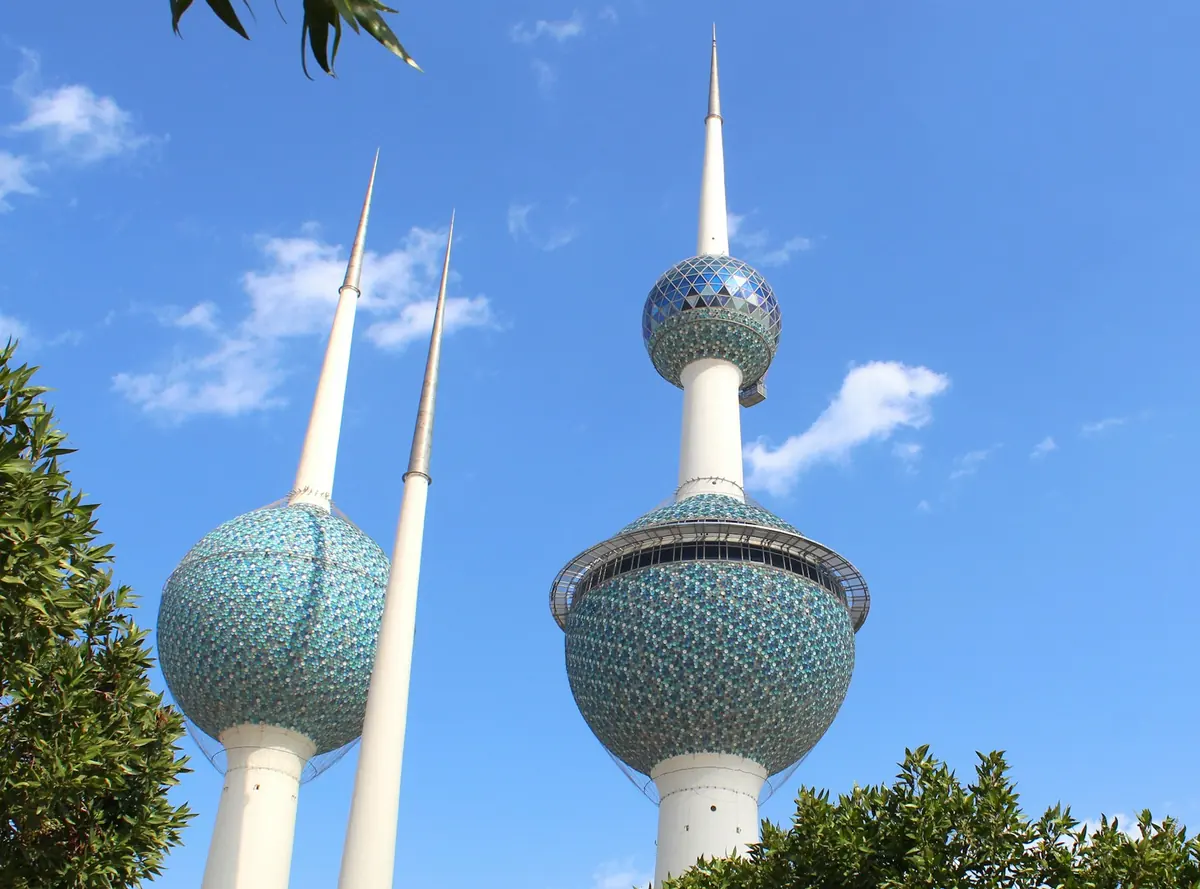
Kuwait runs on the same logic at a smaller scale again, and I wrote it up in my guide to Kuwaiti influencers.
The calendar decides the year
Qatar's campaign year is shaped by Ramadan and the two Eids more than by any retail calendar. Ramadan moves roughly eleven days earlier each year, and creator inventory tightens for the four to six weeks before it starts, because every brand in the region wants the same window and the same faces. A campaign planned in January for a February Ramadan is already late.
National Day on 18 December is the second fixed point, and it is the one campaign where national-audience creators are the whole plan rather than part of it. The third is summer: from July into August a share of the resident audience travels, which changes who is reachable rather than how many.
That leaves two campaigns a year for most brands rather than four: a Ramadan and Eid push aimed at the national audience, and an autumn or National Day push aimed at residents. Trying to run four quarters in a market of 3.1 million usually produces four thin campaigns and one tired audience.
What a Qatar campaign should buy
The shape of a Qatar budget is the same as anywhere else in the Gulf: creator fees, usage rights, production, Arabic creative and reporting. Three of those lines get cut first and should not be.
- Usage rights. Territory, duration and paid amplification are separate permissions, and a Qatari creator's face on your paid media for a year is a different purchase from three organic posts. Fix it in the contract before the shoot, not after the first invoice.
- Arabic that was written for the Qatari ear rather than translated from an English deck. Khaleeji Arabic is not something you produce by machine translation, and a script that reads as Egyptian or Levantine will be understood and quietly discounted.
- Reporting that joins platform delivery to something you own: a code, a tagged landing page, a booking line. Delivery tells you what the platform did, not what the campaign did.
What a managed engagement covers on my side, from licensing to reporting, is set out under influencer marketing services in Dubai.
On cost, final budget is decided by scope, deliverables and campaign duration, and I quote per campaign rather than publish a rate card. What the market charges by creator tier, Qatari and Khaleeji names included, is a separate question and it sits in my guide to influencer marketing costs in Dubai.
How to brief and measure a Qatar campaign
A brief that cannot be measured in a country of 3.1 million is usually a brief with four measures. Pick one: completed views, cost per reply, code redemptions, or sessions on a tagged page.
Then run the pilot properly. Three to five creators, one audience, two weeks, one measure. If the audience is national, keep the roster Qatari and the creative Arabic. If the audience is residents, name the community before you name the creators, because a Hindi-language roster and an Egyptian Arabic roster are not interchangeable.
Finally, set expectations on scale. A campaign that reaches 200 thousand people in Qatar has reached six per cent of the country. The same six per cent in a market of 30 million people is 1.8 million. Small markets reward concentration and punish the habit of spreading a budget across every platform to look busy.
If you are building a Qatar plan and want the scope settled before the media budget is fixed, send me the category, the audience and the outcome you need. I will tell you plainly whether a creator campaign is the right next step, and if it is, a 15 minute brand call is enough to scope the first pilot.
Dubai-based entrepreneur building the Europe-GCC influencer corridor. Multilingual strategist working across both markets with creators who fit them.
Want deeper insights?
Get corridor strategy recommendations for your brand.